Essential HIPAA, LGPD, and GDPR Safeguards for Medical Courier Services
The transport of medical materials such as laboratory specimens, reproductive cells, and patient records requires strict regulatory compliance. Medical couriers handle delicate biological materials and protected health data, placing them under the scope of international healthcare privacy regulations, including HIPAA (United States), LGPD (Brazil), and GDPR (European Union).
Failing to follow these regulations can result in severe consequences, including multi-million dollar financial penalties, legal liability, and reputational damage for healthcare organizations and logistics providers. Because of this, medical courier services must implement a comprehensive framework of administrative, physical, and technical safeguards designed to protect both biological materials and sensitive patient data throughout the transport process.
This article explores the essential safeguards required for global compliance in medical logistics, the risks associated with cross-border regulatory violations, and the best practices that ensure safe and legally compliant transport.
What is Data Privacy Compliance in Medical Logistics?
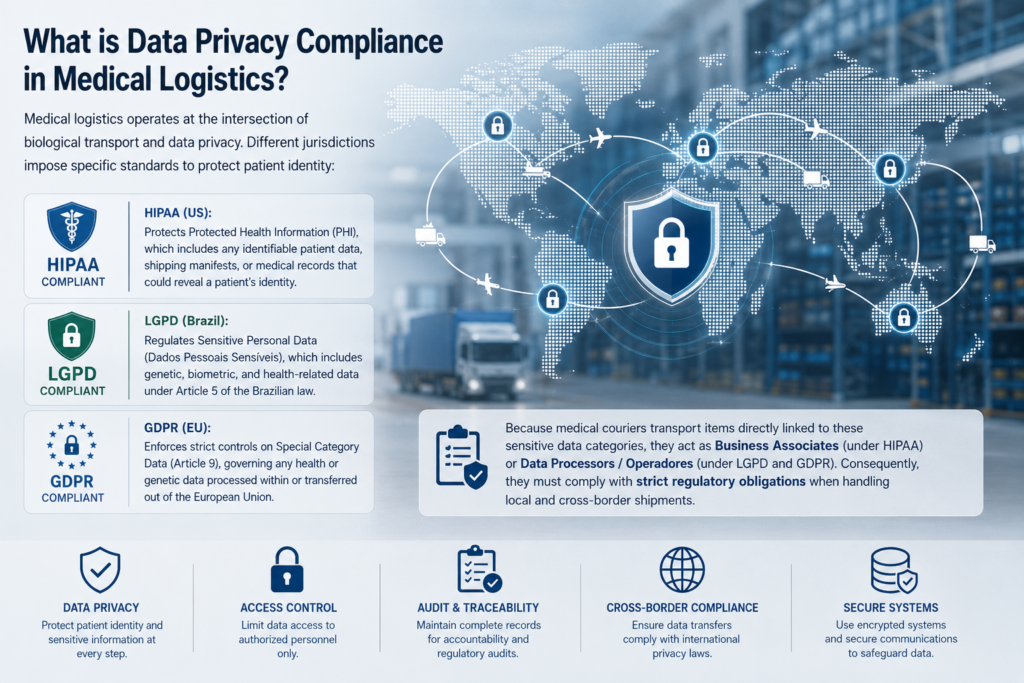
Medical logistics operates at the intersection of biological transport and data privacy. Different jurisdictions impose specific standards to protect patient identity:
HIPAA (US): Protects Protected Health Information (PHI), which includes any identifiable patient data, shipping manifests, or medical records that could reveal a patient’s identity.
LGPD (Brazil): Regulates Sensitive Personal Data (Dados Pessoais Sensíveis), which includes genetic, biometric, and health-related data under Article 5 of the Brazilian law.
GDPR (EU): Enforces strict controls on Special Category Data (Article 9), governing any health or genetic data processed within or transferred out of the European Union.
Because medical couriers transport items directly linked to these sensitive data categories, they act as Business Associates (under HIPAA) or Data Processors / Operadores (under LGPD and GDPR). Consequently, they must comply with strict regulatory obligations when handling local and cross-border shipments.
Essential Safeguards for Medical Courier Services
To maintain compliance across international borders, medical logistics providers must implement three core categories of safeguards:
1. Administrative Safeguards
Administrative safeguards refer to organizational policies, governance, and contractual frameworks designed to manage compliance risks.
Privacy & Security Training: Couriers must receive regular training on handling PHI and sensitive health data, recognizing cybersecurity threats, and executing emergency protocols in case of a data breach.
Contractual Agreements (BAA / DPA): Courier companies must sign formal agreements with healthcare providers. This includes Business Associate Agreements (BAAs) under HIPAA and Data Processing Agreements (DPAs) under LGPD and GDPR.
Cross-Border Transfer Frameworks: For international routes involving the EU or Brazil, logistics providers must implement Standard Contractual Clauses (SCCs) to ensure lawful data transfers across borders.
Risk Assessments & Audits: Regular security audits help identify vulnerabilities in transportation procedures, digital logging systems, and operational workflows.
2. Physical Safeguards
Physical safeguards focus on protecting medical materials and physical documentation during transportation.
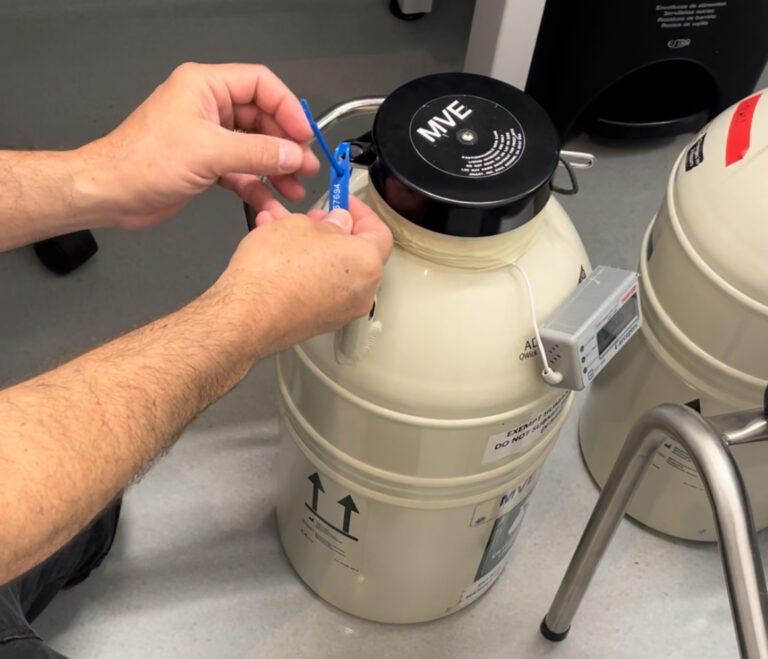
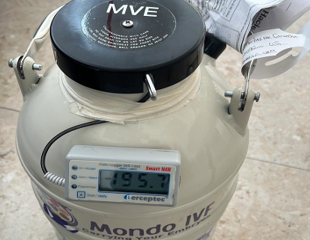
Secure Storage: Medical materials and dry shippers must be secured within monitored compartments or held under direct courier custody during transit.
Tamper-Proof Packaging & Data Minimization: Containers and outer packaging must never display sensitive patient identifiers. Labels should rely on coded IDs rather than full names or diagnostic details.
Chain of Custody Documentation: Every transfer must be documented, including timestamps, physical locations, and authorized personnel signatures, creating an unbroken and auditable custody log.
3. Technical Safeguards
Technical safeguards involve technology protocols used to protect digital data generated during shipment.
Encrypted Tracking & Data Loggers: Flight tracking platforms, temperature monitoring loggers, and delivery platforms must encrypt data both at rest and in transit (e.g., AES-256 encryption).
Access Controls & Pseudonymization: Systems should enforce strict role-based access. Only authorized personnel should be able to link a shipment’s tracking ID to the actual patient identity (pseudonymization).
Secure Electronic Proof of Delivery (ePOD): Digital sign-off systems must maintain auditable records while protecting patient confidentiality at the point of receipt.
Best Practices for Minimizing PHI Exposure
Beyond baseline legal requirements, high-stakes medical logistics providers should implement proactive practices to eliminate data leakage:
Use Pseudonymized Codes: Replace full patient names with unique alphanumerical identifiers on all dry shippers, canisters, and outer packaging.
Limit Document Scope: Restrict shipping documentation to essential customs and biological safety details, omitting underlying medical histories or treatment details.
Verify Recipient Identity: Require formal identity verification and authorized signatures before releasing delicate biological packages to receiving laboratory staff.
Real-Time GPS & Thermal Tracking: Monitor shipment conditions continuously without exposing underlying patient files on public tracking portals.
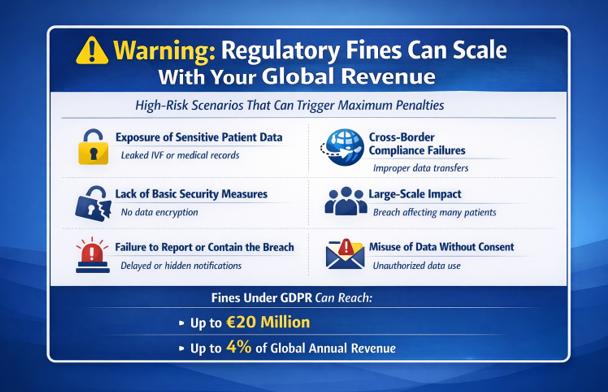
What Are the Penalties for HIPAA Violations?
Mandatory Breach Notification Timelines
If a security breach or loss of identifiable medical data occurs, regulations dictate strict reporting deadlines:
GDPR: Authorities must be notified within 72 hours of discovering the breach.
LGPD: Incident reports must be filed with the ANPD and affected individuals in a reasonable timeframe (typically within 3 business days under guidance).
HIPAA: Covered entities must notify affected individuals and HHS within 60 days.
In addition to regulatory fines, non-compliance can trigger civil lawsuits from affected patients, suspension of operational licenses, termination of hospital/clinic contracts, and severe long-term reputational damage.
Why Compliance Is Critical in Medical Transport
Healthcare logistics differs fundamentally from traditional cargo services. Medical couriers carry human hope—whether it is reproductive cells, organ tissue, or critical clinical trial samples. They are responsible not only for preserving the biological viability of the shipment but also for safeguarding the fundamental privacy rights of the patient.
A single breach or compliance failure can jeopardize years of patient care and lead to catastrophic legal liabilities for everyone in the custody chain. For this reason, regulatory compliance must be embedded into every stage of medical transport operations—from origin laboratory pickup to final handoff.
In global medical logistics, compliance cannot end at national borders. Whether navigating HIPAA in the United States, LGPD in Brazil, or GDPR in Europe, medical courier services must enforce a seamless, multi-jurisdictional framework.
By combining proper courier training, tamper-proof chain-of-custody protocols, robust contractual agreements (BAAs and DPAs), and encrypted telemetry systems, logistics providers minimize risk and ensure the highest standards of safety. In an industry where both biological integrity and human privacy are at stake, compliance is not merely a regulatory burden—it is the foundation of trust in healthcare logistics.
HIPAA Compliance in Medical Logistics FAQs
What is PHI in medical logistics?
Protected Health Information (PHI) refers to any data that can identify a patient and is related to their healthcare. This includes medical records, laboratory results, names, addresses, insurance information, and even shipment details linked to a patient.
Are medical couriers required to follow HIPAA regulations?
Yes. Medical courier companies that handle patient information or medical samples linked to individuals are considered business associates under HIPAA and must follow strict compliance requirements
What happens if a medical courier violates HIPAA?
HIPAA violations can lead to financial penalties ranging from $100 to $50,000 per incident, as well as legal claims, regulatory investigations, and potential loss of healthcare contracts.
Why is chain of custody important in medical transport?
Chain of custody documentation ensures that medical materials and associated patient data are tracked and accounted for throughout the entire transportation process, reducing the risk of loss, tampering, or misidentification.
Does the courier have access to patient names or medical records during transport?
No. In compliance with the data minimization principles of the GDPR, LGPD, and HIPAA, the courier only sees pseudonymized identifiers (alphanumeric codes) on the dry shipper, inner canisters, and shipping manifests. Complete patient medical information remains restricted to the origin and destination clinics, ensuring physical transport takes place without exposing sensitive personal health data.
What are BAAs and DPAs, and why are they required for transporting reproductive samples?
A BAA (Business Associate Agreement, under US HIPAA) and a DPA (Data Processing Agreement, under the LGPD and GDPR) are legally binding contracts between the healthcare clinic and the logistics provider. They formally establish the courier’s legal responsibilities as a data processor, ensuring that patient data and telemetry tracking adhere to the same privacy, security, and confidentiality standards required by law for healthcare institutions.


0 Comments