Turning Back the Clock? The New Science of Oocyte “Rejuvenation” and the Future of IVF
Published by administrador on
Turning Back the Clock? The New Science of Oocyte "Rejuvenation" and the Future of IVF
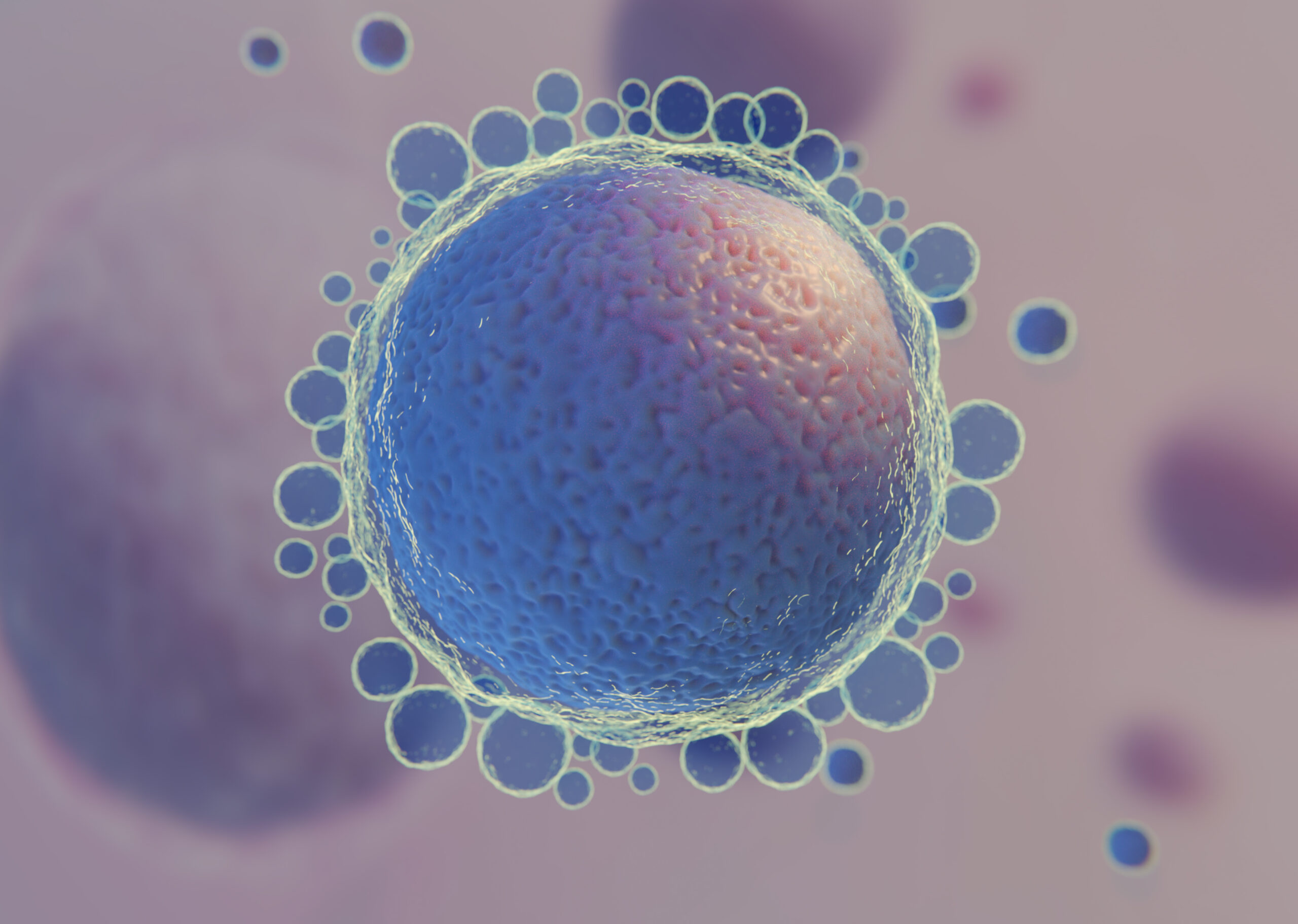
For many families and individuals navigating the journey of Assisted Reproduction (AR), the biological clock is a constant source of anxiety. It is a well-known medical fact that egg quality declines with age, leading to lower success rates in IVF and a higher risk of genetic anomalies. However, a recent discovery have sparked a new wave of hope: scientists are beginning to unlock methods to potentially “rejuvenate” human eggs.
At Mondo IVF, we believe in keeping our community informed about the cutting-edge science that drives our industry forward. Here is a look at what the latest research says about improving egg quality and what it means for the future of fertility.
The Science: The “Genetic Glue” Protecting Our Cells
A groundbreaking study conducted by researchers in Germany has identified a specific mechanism responsible for the age-related decline in egg quality. As oocytes (eggs) age, they lose a critical protein called Shugoshin 1 (SGO1),.
Think of SGO1 as a “genetic glue.” Its job is to protect the cohesive bond between chromosomes. When an egg cell divides to be fertilized, these chromosomes must separate perfectly. In older eggs, the levels of SGO1 drop, causing the chromosomes to separate prematurely—a process known as Premature Sister Chromatid Separation (PSSC),. This error is a leading cause of aneuploidy (abnormal chromosome numbers), which can result in IVF failure or miscarriage,.
Is “Rejuvenation” Possible?
The exciting news from this research is that the process appears reversible in a laboratory setting. By treating older human eggs with microinjections of SGO1 mRNA, scientists were able to restore this protective “glue.” The result? The treated eggs showed a reduction in chromosomal defects by approximately half, significantly improving their genetic integrity,.
News outlets have reported that this technique could significantly increase success rates for women over 35, reducing genetic defects from 65% to 44% in experimental trials. While this does not extend fertility beyond menopause, it offers a potential lifeline for patients who still produce eggs but suffer from low quality.
A Professional Reality Check
While these findings are promising, it is vital to maintain a realistic perspective. Dr. Carlos Gilberto Almodin, a member of the Brazilian Association of Assisted Reproduction (SBRA), cautions that the term “rejuvenation” might be a misnomer. He explains that we are not literally turning back the biological age of the ovary, but rather attempting to rescue oocytes that would otherwise fail.
Currently, these techniques—along with others like Platelet-Rich Plasma (PRP) infusion—remain experimental. As Dr. Almodin notes, protocols vary, and while there is a “glimmer of hope,” these treatments are not yet standard clinical practice. The scientific community is working hard to validate these methods to ensure they are safe and effective for patients.
The Importance of Safe Handling
Whether utilizing standard IVF protocols or future advanced therapies, one constant remains: human gametes and embryos are incredibly delicate.
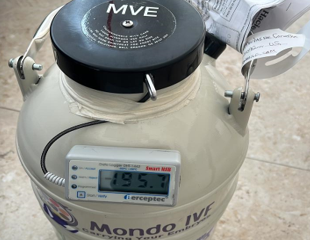
The intricate biological processes described above highlight just how sensitive these cells are to their environment. When you have worked so hard to retrieve viable eggs or create embryos, their safety during transport between clinics or laboratories is non-negotiable.
At Mondo IVF, we understand that we aren’t just moving biological samples; we are carrying your future family. We specialize in the professional cryotransport of sperm, eggs, and embryos across the US, Canada, and worldwide.
As science advances to improve the quality of embryos, trust Mondo IVF to deliver them safely.
Are you planning to move your cryopreserved eggs or embryos? Don’t leave your dreams to chance. Choose the safer modality.
Contact Mondo IVF Today for a Consultation We safely deliver your dreams.
References:
- Associação Brasileira de Reprodução Assistida (SBRA). (2024, November 26). Especialista da SBRA comenta novo estudo que apresenta técnica para “rejuvenescer” óvulos.
- Exame. (2026, January 9). Rejuvenecimento de óvulos pode aumentar chance de gravidez em mulheres após os 35.,,.
- Saha, D., et al. (2026). Restoring Shugoshin 1 reduces chromosome errors in human eggs (Preprint). Max Planck Institute for Multidisciplinary Sciences.

0 Comments